Central America | El Salvador | Santa Tecla


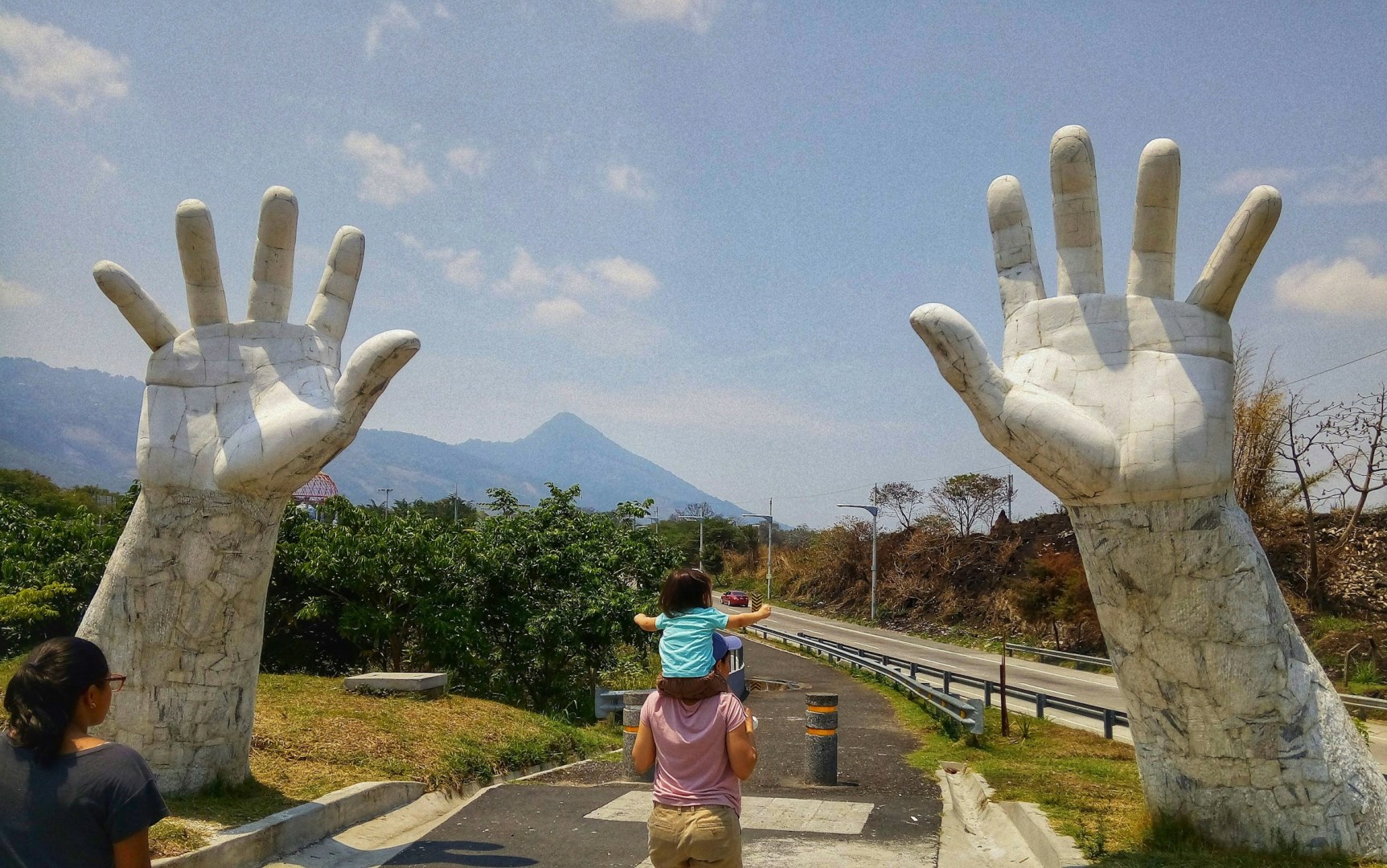
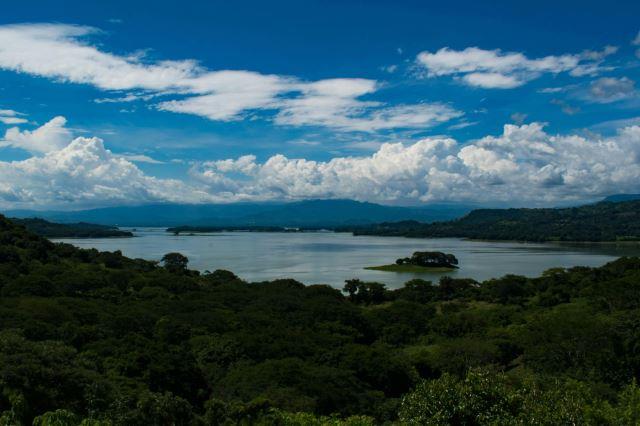
Santa Tecla is a city in the department of La Libertad, located west of San Salvador at the foot of the San Salvador Volcano. It combines a historic urban center with green hills, cafés, restaurants, and residential districts extending toward the slopes of El Boquerón. The city is known for its walkable streets and older buildings, many of which now house shops, restaurants, and cultural spaces. Its location provides an unusual contrast between an established urban setting and the cooler, forested landscapes of the volcano, which can be reached from the city in a relatively short drive.
Santa Tecla's cultural identity is closely tied to its historic center and public spaces. Paseo El Carmen is one of the city's best-known gathering areas, with restaurants, cafés, shops, and spaces for cultural activities. The city also maintains institutions dedicated to local tourism, arts, and cultural education, including the Palacio Tecleño de la Cultura y las Artes. Its architecture includes Neo-Gothic, Art Nouveau, Neo-Baroque, and eclectic influences, giving the older streets a varied appearance. Local festivals, artistic programs, and community events continue to make culture an important part of daily life in Santa Tecla.
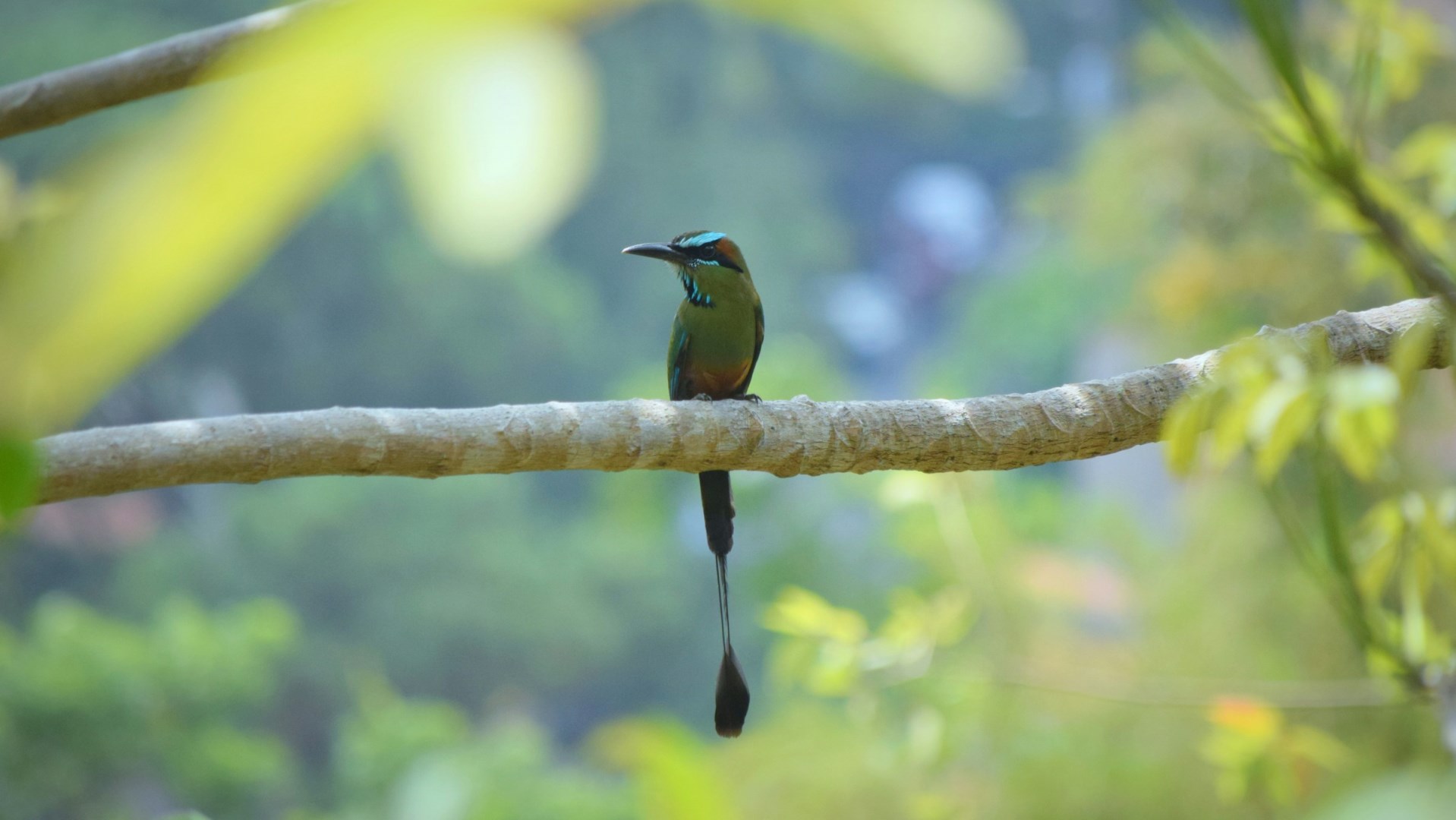
One of Santa Tecla's main attractions is the route toward El Boquerón National Park on the San Salvador Volcano. The protected area has marked trails leading toward the volcanic crater, with viewpoints overlooking El Boqueroncito and the surrounding slopes. The mountain environment supports diverse plant and animal life and has a cooler climate than the city. Along the road to El Boquerón, cafés, restaurants, and viewpoints overlook San Salvador and surrounding volcanic landscapes. Within Santa Tecla itself, Paseo El Carmen and the historic center provide opportunities to explore the city's architecture, public spaces, and local businesses.
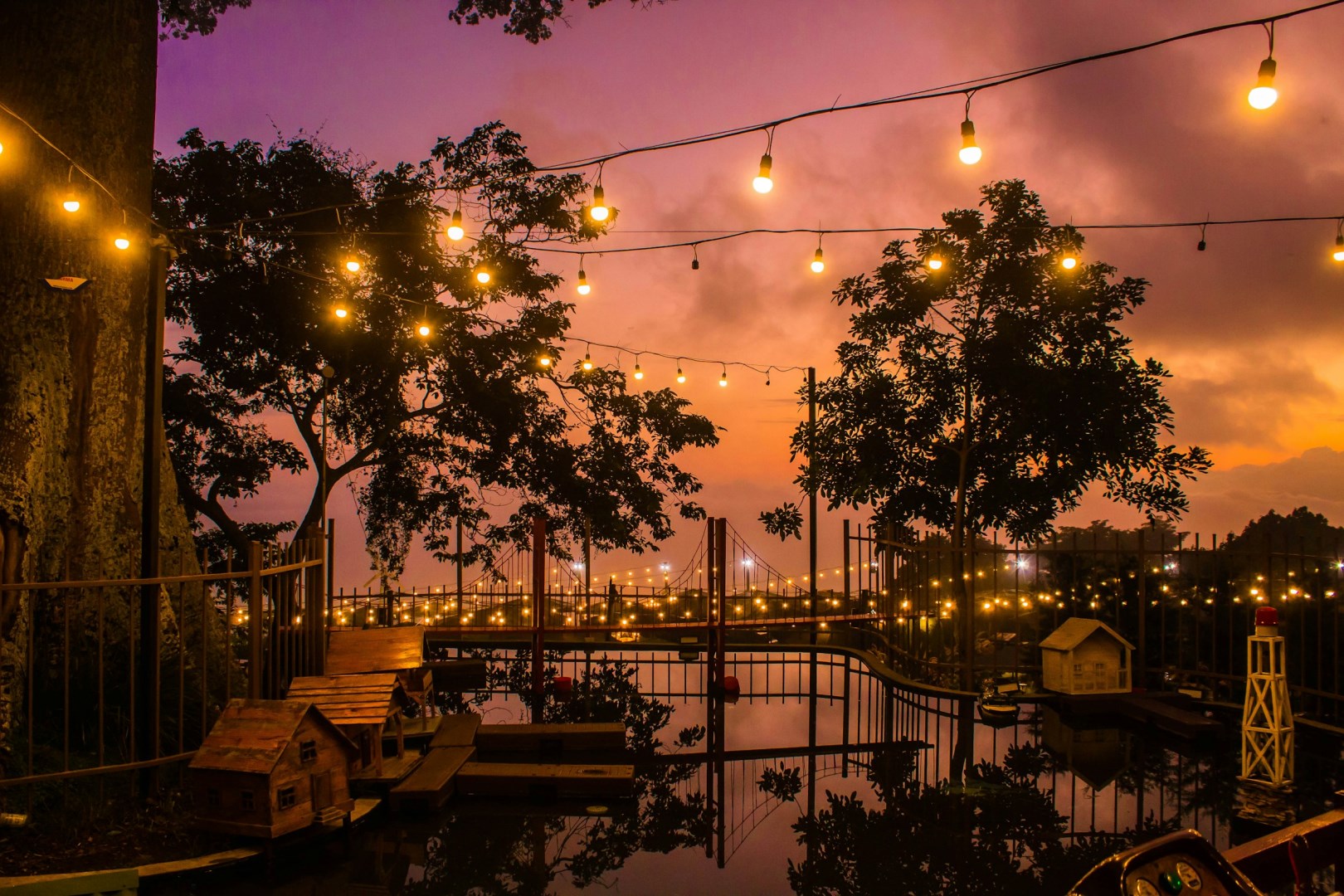
Food is an important part of Santa Tecla's contemporary identity, particularly around Paseo El Carmen and the road toward El Boquerón, where cafés and restaurants serve Salvadoran dishes alongside international and modern cuisine. Coffee is especially suited to the mountain setting, and cafés on the route toward the volcano make use of the area's cooler climate and scenic surroundings. Santa Tecla also has a strong connection to the arts through municipal programs involving music, visual arts, theater, and dance. The combination of historic architecture, cultural spaces, urban dining, and direct access to volcanic landscapes distinguishes Santa Tecla within the San Salvador metropolitan area.
Other Popular Destinations in El Salvador