Palawan Island

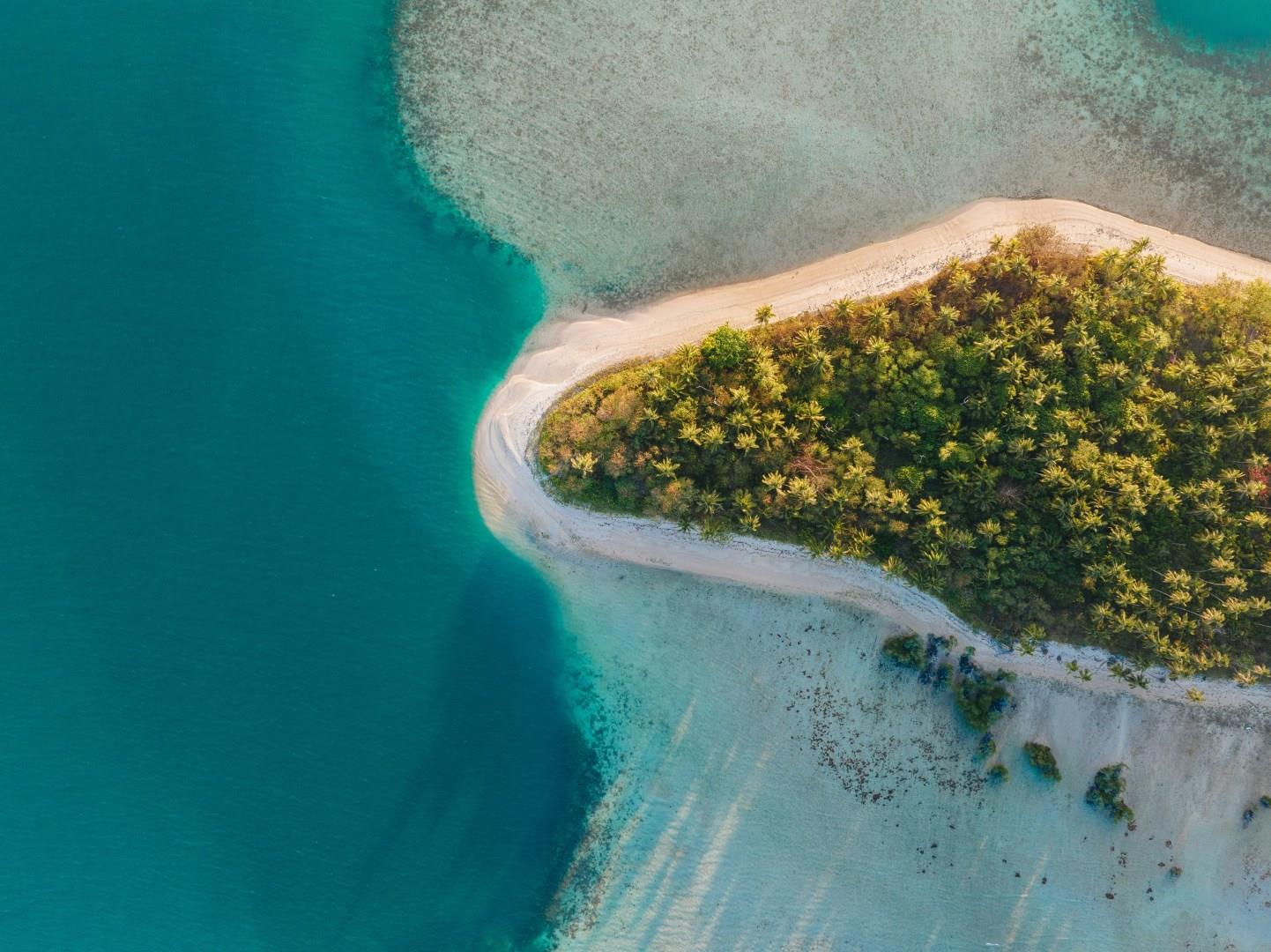

Palawan Island stretches along the western edge of the Philippines, shaped by seafaring routes, Indigenous cultures, and relative isolation from the country’s major urban centers. Long home to groups such as the Tagbanua and Palaw’an, the island developed with fewer layers of colonial density than much of the archipelago. Its identity is closely tied to land and water rather than to cities or monuments.
The landscape is sharply varied. Limestone cliffs rise straight from clear coastal waters, mangroves line quiet inlets, and forested mountains run through the island’s spine. Rivers disappear underground, reefs sit close to shore, and islands cluster offshore, creating a setting where land and sea feel inseparable rather than distinct.
Palawan’s atmosphere is unforced and spacious. Movement tends to follow tides, daylight, and weather more than schedules, and daily life remains visibly connected to fishing, farming, and small-scale travel.