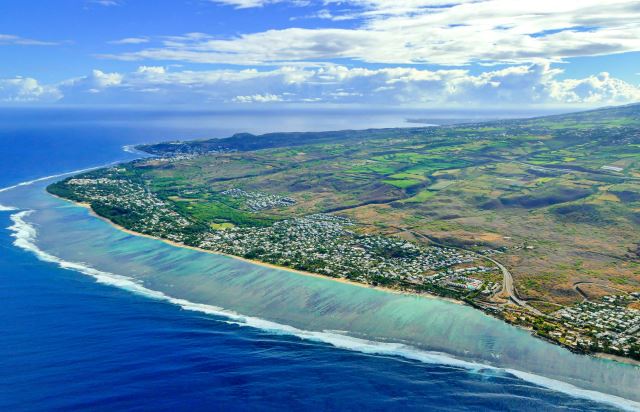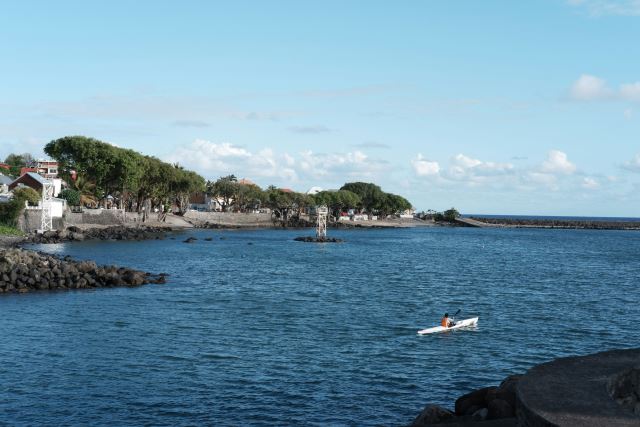

La Possession is a commune on the northwestern coast of Réunion, a French island in the southwestern Indian Ocean. Positioned between Saint-Denis and Le Port, its territory rises quickly from the coast into steep volcanic mountains and extends deep into the Cirque de Mafate. The Rivière des Galets forms part of its southern boundary and provides a natural passage from the coast toward the island’s rugged interior. Districts range from the coastal town centre and Grande Chaloupe to the elevated village of Dos d’Âne and isolated settlements within Mafate, creating marked changes in climate and landscape.
Réunion Creole and French cultural traditions shape daily life in La Possession, reflecting the island’s African, European, Indian, Malagasy and Asian heritage. Grande Chaloupe contains one of the commune’s most significant historical sites, the Lazaret, a former quarantine complex associated with indentured workers who arrived on Réunion from overseas. Preserved buildings help document migration and the island’s labor history. Nearby, the old railway station and remains of Réunion’s former coastal railway add another layer to the area’s heritage. Creole music, including maloya, and community festivals remain important expressions of Réunionese identity.
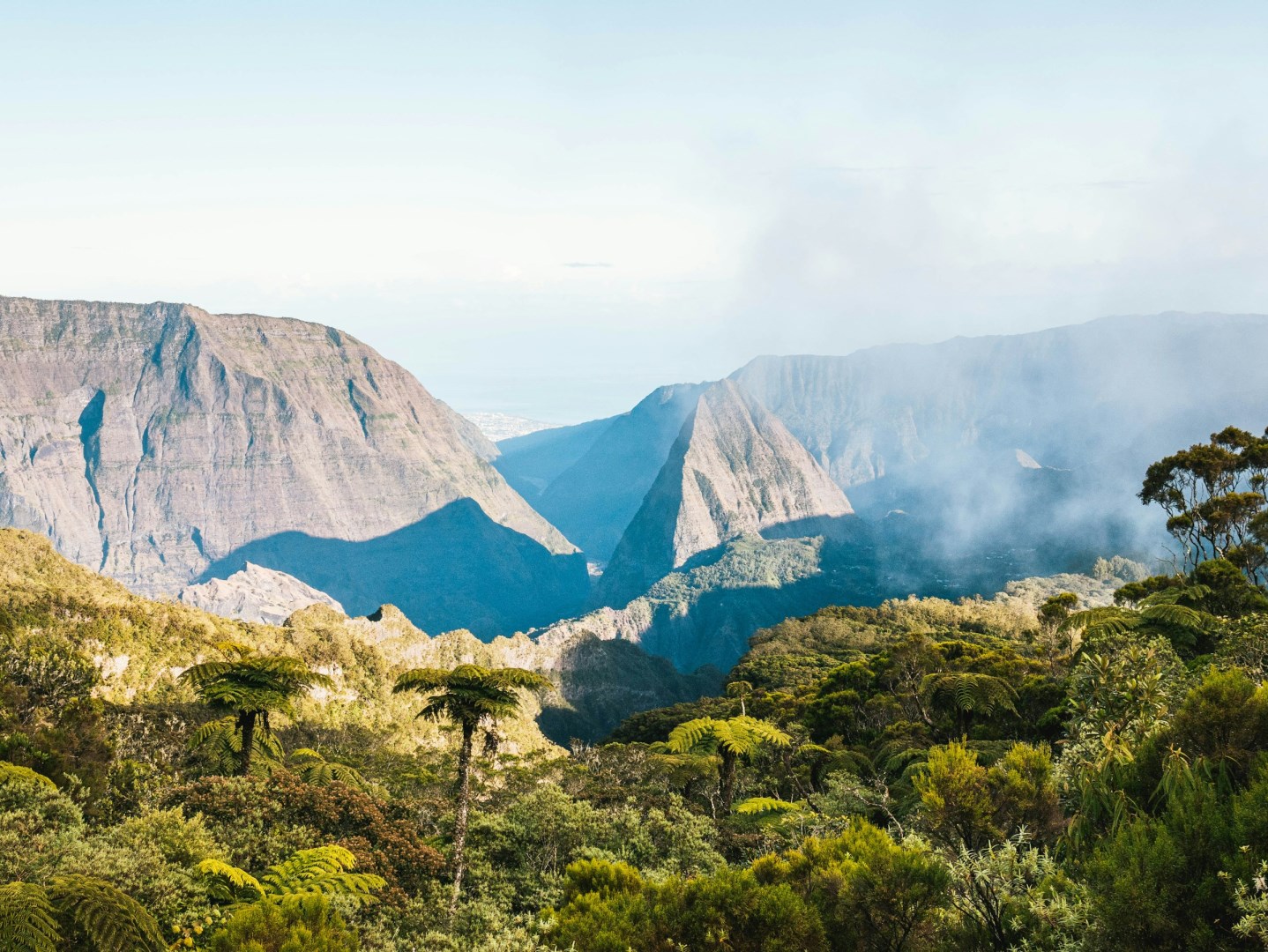
Much of La Possession’s interior belongs to the mountainous landscape of Mafate, part of Réunion National Park and the island’s UNESCO-listed Pitons, Cirques and Remparts. From Dos d’Âne, trails and viewpoints such as Cap Noir and Roche Verre Bouteille overlook deep valleys, ridges and isolated settlements within the cirque. Mafate itself has no conventional road network, and its villages are reached mainly on foot or by helicopter. Closer to the coast, the Chemin des Anglais crosses dry slopes above Grande Chaloupe, passing through an environment of semi-dry vegetation that contrasts sharply with the wetter highlands.
Food in La Possession follows Réunion’s Creole cooking traditions. Cari, typically made with meat or fish, tomatoes, onions and spices, is commonly served with rice, lentils or beans and a spicy condiment known as rougail. Other familiar foods include samoussas, bouchons and carri bichique when the small seasonal fish are available. Vanilla, turmeric, sugarcane products and tropical fruits also feature in the island’s cooking.
Other Popular Destinations in Reunion