Central America | Honduras | La Esperanza

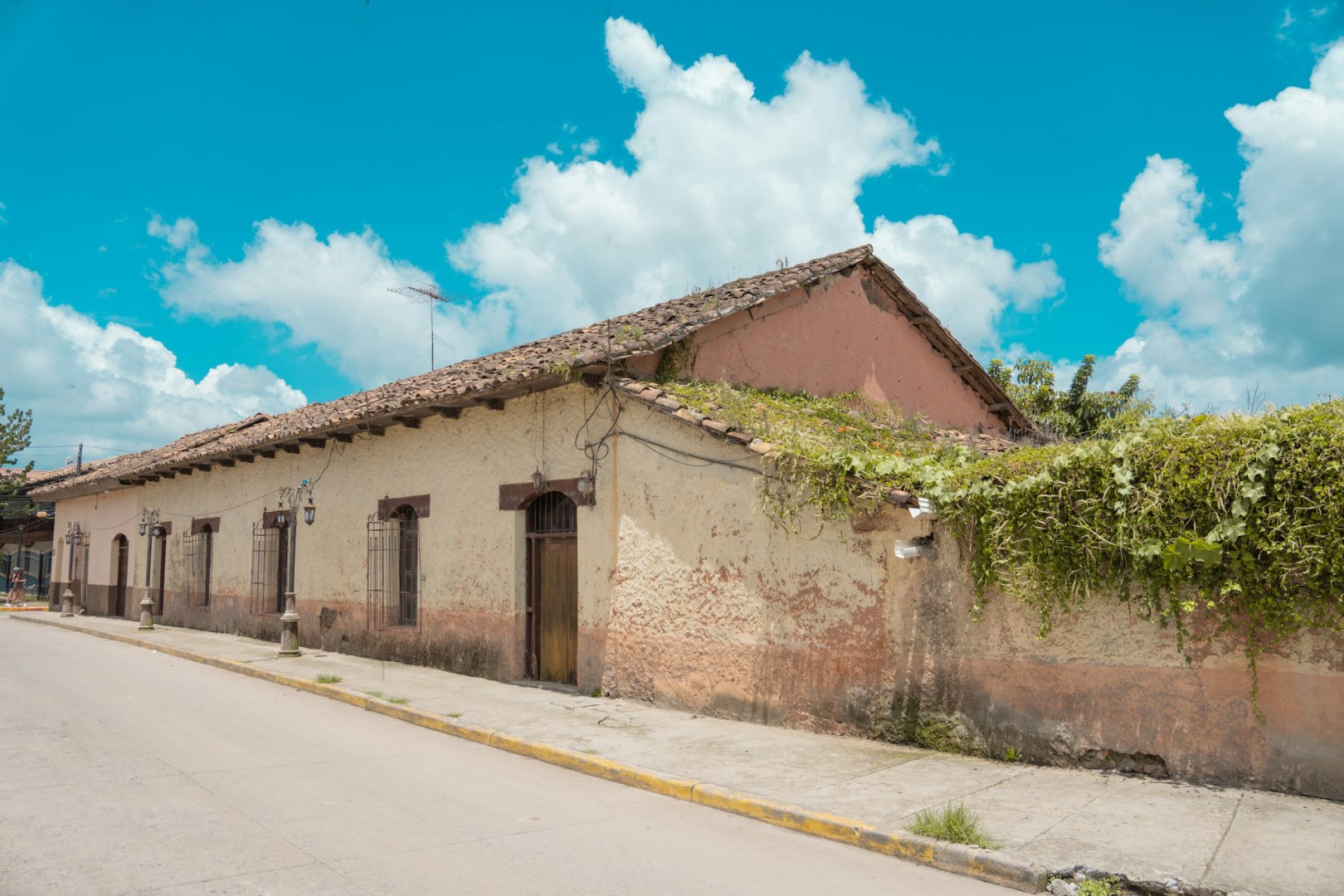

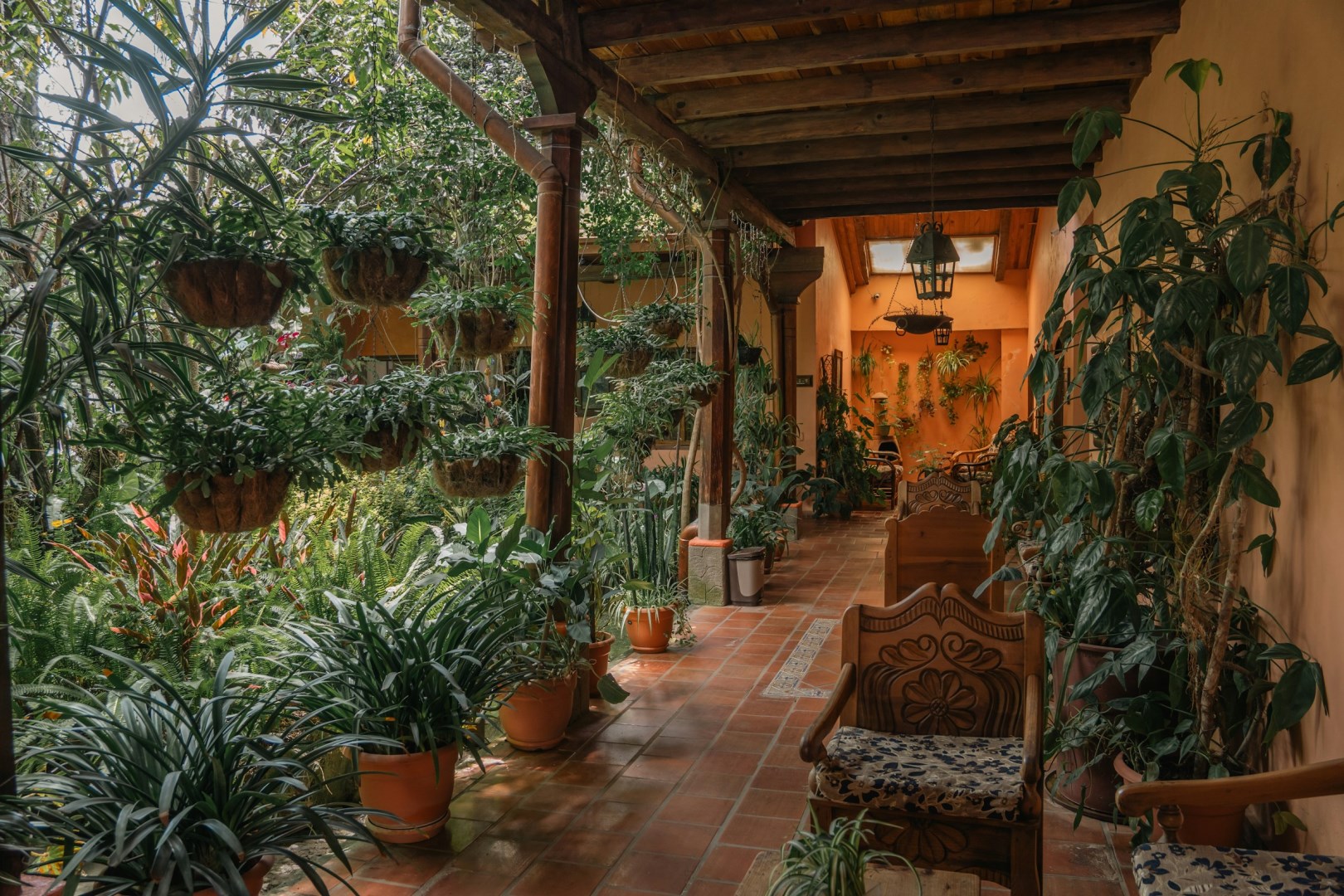

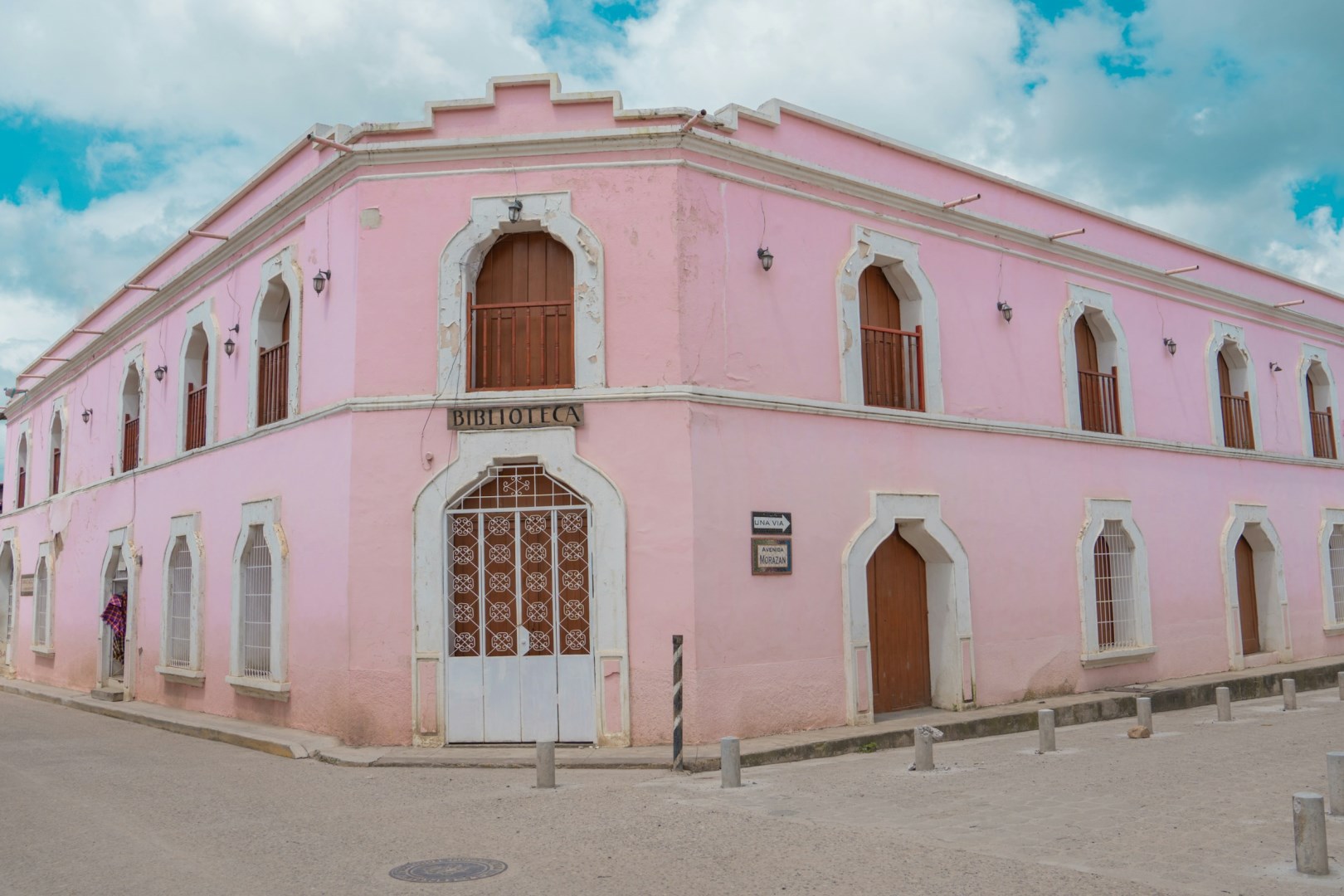
La Esperanza is a highland city in Honduras and the capital of Intibucá department, situated in a cool mountain valley surrounded by pine-covered slopes. The city forms part of the Ruta Lenca, a cultural route through western Honduras, and is closely connected with the Lenca people and their traditions. Its high elevation gives the area a noticeably cooler climate than much of the country, while nearby farms produce potatoes, vegetables, strawberries, and other crops suited to the mountain environment. La Esperanza is also closely linked with neighboring Intibucá, and the two communities share many cultural and commercial activities.
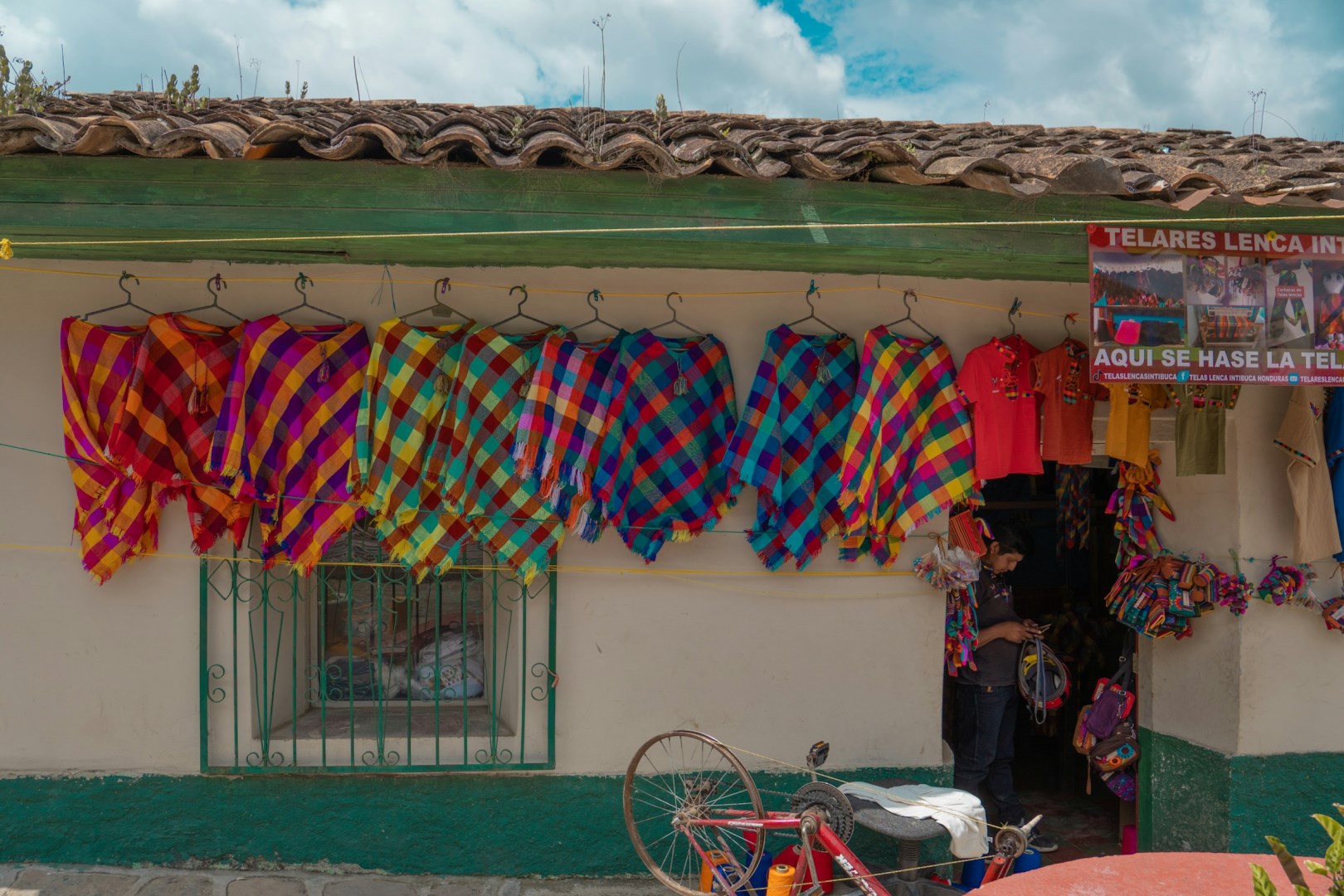
Lenca heritage is central to La Esperanza's identity and can be seen in traditional weaving, pottery, food, music, and community celebrations. Artisans in nearby communities produce colorful woven textiles, including clothing, table linens, and other household items. The city also hosts folkloric performances that present regional dances and traditional dress. La Gruta, a small Catholic shrine built into a rocky hillside, is one of the city's best-known cultural and religious landmarks and provides views across La Esperanza and Intibucá. Local markets add another connection to everyday life, selling fresh produce, regional foods, crafts, and other goods.
The mountain landscape around La Esperanza offers several places to explore. Laguna de Chiligatoro lies in the surrounding highlands and provides opportunities for rowing, fishing, and enjoying the forested setting. Laguna de Madre Vieja is another small body of water near the city where visitors can fish or use rowboats. La Gruta stands on a hill close to the urban center, while the nearby El Cacao community is known for Lenca weaving. The wider Intibucá region also includes Río Grande waterfall, forested mountain areas, and unusual landscapes such as the Dwarf Forest, where small trees grow in distinctive conditions.
La Esperanza's cool climate supports crops and ingredients that are less common in warmer parts of Honduras. Potatoes are particularly important to the local agricultural economy, while strawberries, vegetables, and other highland produce appear in markets and restaurants. The region is also known for the choro, an edible wild mushroom associated with the local pine forests and seasonal rains. Traditional dishes make use of mountain produce, corn, beans, and locally gathered ingredients. The combination of Lenca crafts, highland agriculture, cool weather, and nearby lakes and forests gives La Esperanza a distinct character within western Honduras.
Other Popular Destinations in Honduras